
Waking Up to Pee Again?
How Much Nighttime Urination Is Normal?
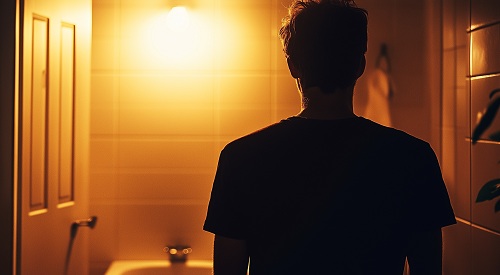 Waking up once in a while to use the bathroom is common, but regularly getting up multiple times a night can disrupt your sleep and leave you feeling exhausted the next day.
The medical term for waking up during the night to urinate is nocturia. While nocturia becomes more common as we get older, frequent nighttime bathroom trips aren't something you simply have to accept as a normal part of aging.
Here is what you need to know about nocturia, what causes it, and when it’s time to talk to a specialist.
What Is Nocturia?
Nocturia is defined as waking up one or more times during the night specifically to urinate. Getting up occasionally—for instance, after drinking a large glass of water late at night—is very different from waking up multiple times every single night.
It is important to remember that nocturia is a symptom, not a disease itself. It affects both men and women and can significantly impact your sleep quality, energy levels, and overall quality of life.
What Causes Nighttime Urination?
There are several reasons you might be waking up to pee. Common causes include:
- Evening Fluid Intake: Drinking large amounts of liquid close to bedtime increases overnight urine production. Beverages containing caffeine or alcohol are particularly known to trigger nighttime urination.
- Overactive Bladder (OAB): OAB causes sudden, strong urges to urinate, even when your bladder isn't full. It can lead to frequent trips to the bathroom day and night, sometimes accompanied by urine leakage.
- Enlarged Prostate (BPH): In men, Benign Prostatic Hyperplasia (an enlarged prostate) presses on the urethra, making it harder for urine to pass. This can lead to a weak stream, trouble starting, and a feeling that your bladder hasn't fully emptied.
- Urinary Tract Issues: A urinary tract infection (UTI) or other lower urinary tract conditions can cause sudden urgency, frequency, and discomfort.
- Underlying Health Conditions: Unmanaged diabetes elevates blood sugar levels, causing the kidneys to produce more urine. Heart failure and kidney conditions can also disturb fluid balance in the body overnight.
- Sleep Disturbances: Sometimes, conditions like insomnia or sleep apnea cause you to wake up first; once awake, you simply notice the urge to urinate and head to the bathroom.
Is Waking Up to Pee Just a Normal Part of Aging?
While nocturia is more prevalent among older adults, frequent nighttime urination should not be written off as unavoidable.
Age-related changes in bladder capacity, shifts in fluid retention, medication side effects, and prostate changes all play a role—and many of these underlying causes can be effectively managed or treated.
When Should You See a Urologist?
If you regularly wake up several times a night to urinate or notice changes in your typical bathroom habits, it’s worth seeking medical advice. You should definitely schedule an evaluation if you experience any of the following symptoms:
- A weak, slow, or interrupted urine stream
- Difficulty or hesitation when starting to urinate
- Feeling like you cannot completely empty your bladder
- Sudden, intense urges to urinate or accidental leakage
- Pain, burning, or discomfort during urination
- Blood in your urine
- Recurrent urinary tract infections (UTIs)
- Sleep disruption that leaves you fatigued during the day
What Happens During a Urology Evaluation?
At UroPartners, our goal is to identify the root cause of your symptoms so you can get back to resting comfortably. During your evaluation, your urologist will typically:
- Review Your History: Discuss your fluid intake (including caffeine and alcohol), current prescription medications, sleep hygiene, and daily urinary patterns.
- Recommend a Bladder Diary: You may be asked to keep track of what you drink, how often you urinate, and when you experience urgency or leakage over a few days.
- Perform Targeted Diagnostic Testing: Depending on your symptoms, your provider may run simple tests to check for infection, evaluate bladder emptying, or assess prostate health.
Tips to Reduce Nighttime Urination
While waiting for your appointment, a few practical lifestyle adjustments may help reduce your nighttime trips:
- Limit Evening Liquids: Cut back on fluids 2–3 hours before bed, especially caffeine and alcohol.
- Empty Your Bladder Before Sleep: Get into the routine of using the bathroom right before getting into bed.
- Review Medications: Some medications (like diuretics for blood pressure) increase urination. Talk with your doctor about whether taking them earlier in the day might help. Never stop or change a prescription medication without consulting your provider first.
- Track Your Symptoms: Note down how many times you wake up each night so you can share clear details with your specialist.
Don’t Suffer Through Sleepless Nights
Interrupted sleep affects your health, mood, and daily life. You don't have to live with constant nighttime disruption.
If nighttime bathroom trips are keeping you up, the team at UroPartners is here to help you find relief. Schedule a consultation with a UroPartners specialist today to get to the bottom of your symptoms and enjoy a restful night’s sleep.